
Unlike its western counterpart, the SEC East had no dominant team this season. Instead, it was a race that included nearly every team at some point in the season.
After Week 10, it was still possible for six teams to finish 4-4 in the East. With only seven teams in the division, that should reveal just how important each game was for those in the hunt.
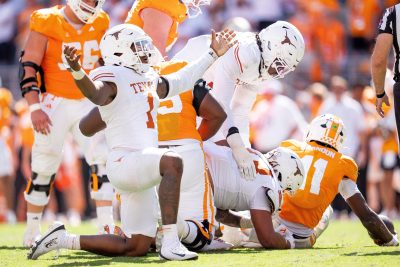
Week 11 settled things and now only Florida and Tennessee have a chance to play in Atlanta at season’s end. For the other five teams, let’s look at one fatal flaw that kept them from climbing to the top of the most mediocre East we’ve seen in years.
Georgia
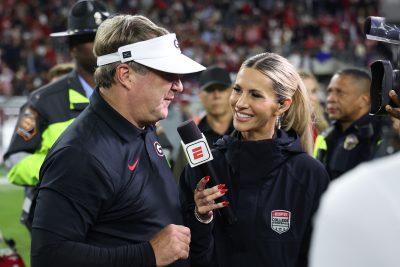
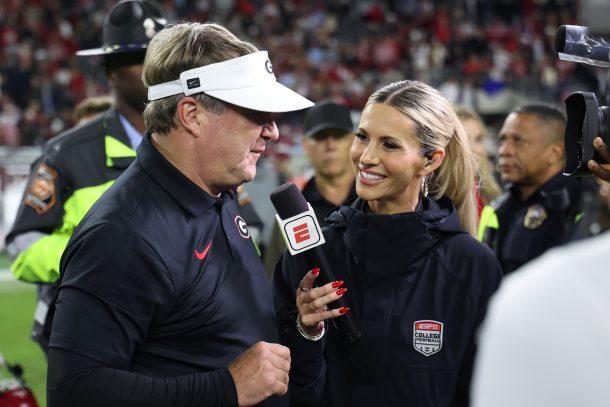
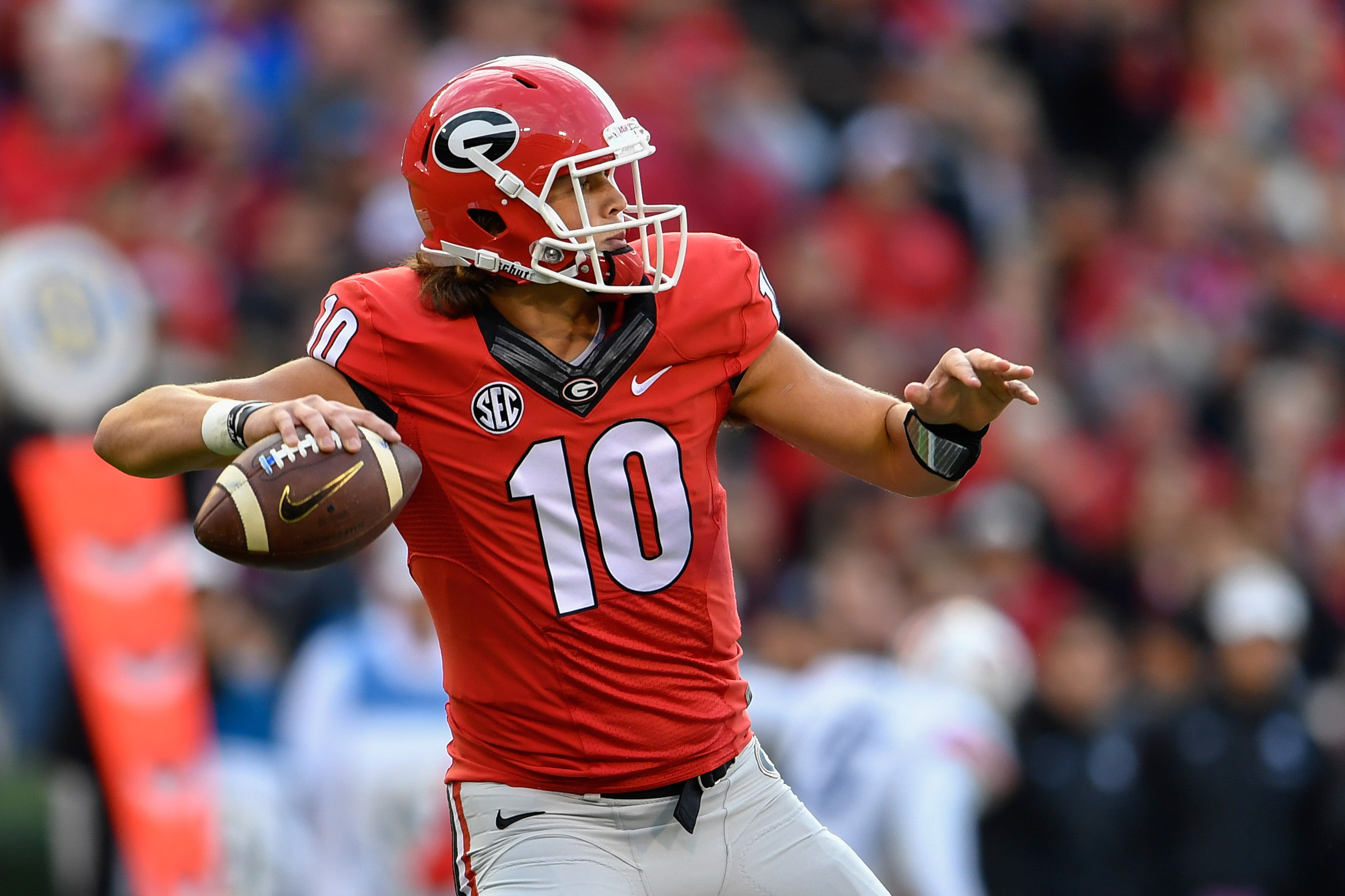
Inability to make a play in key moments: The Bulldogs have had their fair share of exciting moments. Jacob Eason’s touchdown pass against Missouri and the team’s game-winning drive against Kentucky stand out. But poor execution in other crunch-time situations all but eliminated Georgia from the SEC East race.
Had the Bulldogs knocked down Joshua Dobbs’ Hail Mary at the end of the Tennessee game and scored after converting on 4th-and-1 against Vanderbilt, they would be right in the thick of things. Georgia would have finished the season with a 6-2 record in the conference, and although Florida holds the tiebreak between the two schools, an LSU victory over the Gators this weekend would have sent the Bulldogs to Atlanta.
A division title wasn’t expected in Kirby Smart’s first season, but it’s disappointing for fans to know that a few plays might have made the difference.
Kentucky
Defense: Kentucky’s four conference losses came to teams that are considered more talented than the Wildcats, and there is no shame in that. There are several factors that played a role in Kentucky’s losses, including a sub-par passing attack and untimely turnovers, but defense is the biggest culprit.
Against Alabama and Florida, the Wildcats were clearly outmatched and a better defensive effort likely wouldn’t have changed anything. In Kentucky’s two most recent outings against Georgia and Tennessee, however, the defense contributed heavily to the losses.
The Wildcats did a good job holding the Bulldogs out of the end zone, but couldn’t stop Georgia’s offense on its game-winning drive. A stop would have sent the game into overtime and given Kentucky a chance to share the division lead with Florida. In their contest at Tennessee, the Wildcats were within one touchdown early in the second half. Kentucky then allowed touchdowns on four of the Vols’ next five possession and its offense couldn’t keep pace.
In a down year in the division, the Wildcats’ running game was enough to give them a shot at the SEC East. Unfortunately, Kentucky’s defense couldn’t make the plays when it needed to.
Missouri
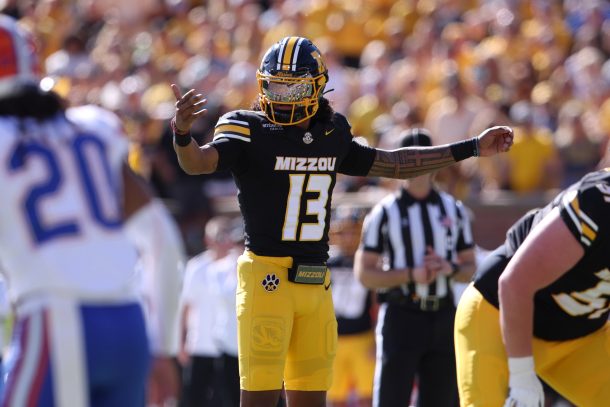
Problems with the new defensive scheme: Much like Kentucky, Missouri’s defense has struggled mightily this season. The Tigers have earned a reputation for being one of the stoutest defensive teams in the SEC, but that has not been the case in 2016.
Talent hasn’t been Missouri’s problem, however, though losing Walter Brady before the season was a huge and obvious blow. The Tigers allowed only 16 points per game last season, which ranked sixth in the country. This year, that number has plummeted to 29.1 points per game, and most fault the new scheme.
Former defensive coordinator Barry Odom didn’t stick with the status quo upon becoming the program’s new head coach. Instead, he brought in DeMontie Cross and his read-and-react defense. A learning curve was to be expected, but there was never any tangible improvement made. Midway through the season, a few of the defensive leaders met with the coaching staff to get things figured out.
That never happened, though, and injuries only exacerbated the issue. Because of the continued struggles, Odom reverted to the previous scheme for the Kentucky game. Unfortunately, if the Tigers’ defense had similar numbers to last year, they would have been very competitive in the division. Especially with the improvements made on the offensive side of the ball.
South Carolina
Early-season quarterback problems: Defense has not been the problem for Will Muschamp in his first season at South Carolina. Instead, the Gamecocks were inept on offense, especially at quarterback.
Perry Orth started the team’s first two games but was quickly replaced by freshman Brandon McIlwain. McIlwain started the next three games, but he was replayed by Orth in the fourth quarter of the team’s loss to Texas A&M and did not play the next week against Georgia.
This inconsistency at quarterback coupled with injuries to a few of the team’s top skill players severely hampered the Gamecocks’ offense. Against UMass, Muschamp turned to freshman quarterback Jake Bentley and the team has benefited ever since. Bentley guided the team to three consecutive wins, including an upset over then-No. 18 Tennessee, and looked like another young passer with a bright future ahead.
Had Bentley started from the get-go, there is no guarantee that the season ends up any differently but there is evidence to suggest it might have. The Gamecocks scored just one touchdown in a 17-10 loss to Kentucky and just two in a 27-14 loss at Mississippi State.
Given South Carolina’s defensive success, the Gamecocks wouldn’t have needed much offense to win those early games. Bentley may have been able to provide that needed spark and put South Carolina in the driver’s seat.
Vanderbilt
Scoring: Interestingly enough, Vanderbilt has only been outscored by a total of 32 points in conference play. The Commodores have played in five one-score games and went 1-4 in those contests.
Although this might seem like another year in which Vanderbilt is unquestionably a bottom-dweller, it could have easily been the SEC’s surprise team in 2016. The most points the Commodores allowed in conference play came when they surrendered 26 points last weekend against Missouri. In Vanderbilt’s other four conference losses, its opponents averaged just 17.25 points.
Defense clearly hasn’t been a problem for Derek Masons’ team, but an inability to score prevented them from winning these close games. The Commodores are averaging just under 20 points per game, which is the second lowest total in the SEC.
If Vanderbilt had won just two more of those close games against the right teams, it would actually be in a position to win the division at this point in the season.