Best NASCAR DFS Apps & Sites (2026)

Last Updated:
If you’re looking to get involved in NASCAR daily fantasy sports, this guide breaks down the best NASCAR DFS apps and sites available in 2026. Whether you prefer traditional pick’em contests, season-long formats, or peer-to-peer competitions, these platforms offer multiple ways to play while following every NASCAR race throughout the season.
Best NASCAR DFS Apps for 2026
There are plenty of strong NASCAR DFS apps available today, each offering different contest styles, scoring formats, and promotions for players. Below, we break down some of the top NASCAR DFS sites worth checking out during the 2026 NASCAR season.
Jump To:
1. Boom Fantasy
Boom Fantasy is one of the more unique NASCAR DFS apps thanks to its fast-paced pick’em style contests and simplified gameplay. Players can make predictions on driver stats such as finishing position, laps led, or fantasy points without needing to build a full salary cap lineup.

2. Splash Sports
Splash Sports offers a different approach to NASCAR DFS by focusing heavily on community contests and commissioner-style pools. Users can join public contests or create their own NASCAR competitions for friends and leagues throughout the racing season.

3. Betr Picks
Betr Picks offers a clean and beginner-friendly DFS experience for NASCAR fans who enjoy player prop style contests. The app focuses on over/under projections, allowing users to combine multiple NASCAR picks into entries while following races live.

4. Underdog Fantasy
Underdog Fantasy continues to grow as one of the top DFS platforms across all sports, including NASCAR. The platform offers easy-to-use pick’em contests featuring driver fantasy projections, race stats, and other NASCAR-focused markets throughout the season.

5. Dabble
Dabble combines social DFS features with flexible pick’em contests, making it an appealing option for NASCAR fans. Users can create entries around driver props and share picks with friends directly through the app’s community features.

6. Chalkboard Fantasy
Chalkboard Fantasy stands out with its social-first DFS experience and customizable contests. NASCAR players can build pick entries centered around driver performances while interacting with friends and other users through the app.

What Is NASCAR DFS?
NASCAR DFS, short for NASCAR Daily Fantasy Sports, allows users to create fantasy entries based on real NASCAR races and driver performances. Depending on the app or contest type, players either build lineups under a salary cap or make predictions on driver statistics and race outcomes.
Unlike season-long fantasy leagues, NASCAR DFS contests are usually tied to a single race weekend. That means users can enter contests each week during the NASCAR season without needing to manage a roster long term.
How NASCAR DFS Scoring Works
NASCAR DFS scoring varies slightly depending on the platform, but most contests revolve around a few key driver statistics during races. Common scoring categories include:
- Finishing position
- Laps led
- Fastest laps
- Position differential
- Stage finishes
- Total fantasy points accumulated during the race
For traditional DFS contests, players typically select multiple drivers while staying under a salary cap. Drivers projected to perform well usually carry higher salaries, so balancing star power with value picks is an important strategy.
Pick’em style NASCAR DFS works differently. Instead of building a lineup, users simply predict whether a driver will go over or under a projected stat line, such as fantasy points, finishing position, or laps led.
NASCAR races can feature crashes, cautions, weather delays, and strategy changes, DFS contests often have plenty of volatility, making each race weekend exciting for fantasy players.
Here’s the next section you can add directly underneath your existing content:
NASCAR DFS Apps and Sites Reviewed
With so many DFS platforms now offering NASCAR contests, choosing the right app often comes down to contest style, ease of use, and overall player experience. Below is a closer look at some of the top NASCAR DFS apps and sites in 2026, including what each platform offers and what helps separate them from the competition.
Boom Fantasy
Boom Fantasy focuses heavily on pick’em style NASCAR contests, making it one of the easiest DFS apps for beginners to jump into. Instead of building full lineups under a salary cap, users simply predict whether drivers will go over or under projected stats such as fantasy points, laps led, or finishing position.
What separates Boom Fantasy from many competitors is its straightforward gameplay and quick entry process. The platform is designed for users who want fast NASCAR action without spending time researching full DFS lineups, while still offering competitive payouts and flexible contest options.
Splash Sports
Splash Sports takes a unique approach to NASCAR DFS by emphasizing commissioner-style contests and peer-to-peer competition. Users can either join public NASCAR contests or create their own custom pools and leagues for race weekends.
What separates Splash Sports is the flexibility it gives users to run their own contests. The app feels more interactive and community-based compared to standard DFS pick’em platforms, making it a strong option for NASCAR fans who enjoy playing with groups or recurring leagues.
Betr Picks
Betr Picks offers NASCAR DFS contests built around over/under style driver projections. Users can combine multiple NASCAR predictions into a single entry while following live race action throughout the weekend.
One thing that separates Betr Picks is its beginner-friendly design and clean interface. The app keeps things simple while still offering plenty of NASCAR markets for DFS players looking to mix racing into their regular DFS rotation.
Underdog Fantasy
Underdog Fantasy has become one of the biggest names in the DFS industry and continues expanding its NASCAR offerings. The platform primarily features pick’em contests where users select higher or lower outcomes on projected driver stats.
What makes Underdog stand out is the overall user experience, large player pool, and consistent contest availability across multiple sports. NASCAR fans who already use Underdog for NFL, NBA, or MLB DFS can easily transition into racing contests during NASCAR weekends.
Sleeper Fantasy
Sleeper Fantasy approaches NASCAR DFS with a more casual and social feel compared to many traditional DFS platforms. The app offers pick-based contests that are easy to follow, especially for users already familiar with Sleeper’s fantasy sports ecosystem.
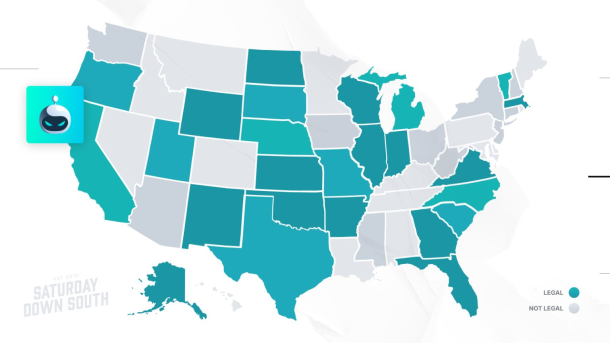
One area where Sleeper Fantasy stands out is community interaction and overall usability. The platform’s smooth mobile experience and social features make it appealing for users who enjoy discussing picks and racing results with friends. See below if Sleeper Fantasy is legal in your state.
Dabble Fantasy
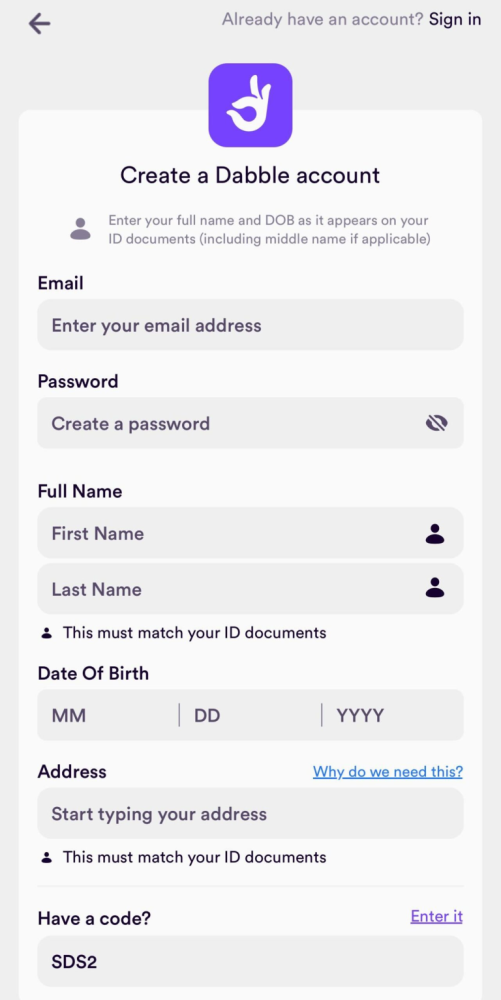
Dabble Fantasy offers NASCAR DFS contests centered around customizable pick’em entries and social engagement features. Players can build multi-pick cards around driver performances and race statistics throughout the NASCAR season.
What separates Dabble from other NASCAR DFS apps is its strong social component. Users can follow other players, view public entries, and share picks directly through the app, creating a more community-driven experience.
Chalkboard Fantasy
Chalkboard Fantasy gives NASCAR DFS players another social-focused pick’em option with flexible contest formats and simple gameplay. Users can create entries around projected driver outcomes while competing against friends or the broader player pool.
A major differentiator for Chalkboard Fantasy is its community aspect and customizable experience. The platform leans heavily into social interaction while still providing a clean DFS experience for NASCAR fans.
How to Pick Drivers in NASCAR DFS
Winning in NASCAR DFS takes more than simply choosing the biggest names in the field. Track type, driver history, practice data, and contest format all play major roles in building strong lineups and making smarter pick’em selections throughout the NASCAR season.
Track Type Matters
One of the biggest factors in NASCAR DFS is understanding how different track types impact driver performance and fantasy scoring. Certain drivers consistently excel at specific styles of tracks, making track history and race type extremely important when building lineups.
Short tracks typically place a heavy emphasis on laps led and dominator points because drivers at the front can control large portions of the race. These races often reward elite drivers who qualify near the front and maintain track position throughout long green-flag runs.
Superspeedways like Daytona and Talladega tend to produce far more randomness due to pack racing and multi-car crashes. DFS scoring at these tracks often favors drivers starting deeper in the field because position differential becomes extremely valuable when chaos strikes late in races.
Road courses place more importance on driver skill and strategy, especially braking, cornering, and pit decisions. Certain drivers consistently outperform expectations at road courses regardless of overall season form, creating strong DFS value opportunities.
Intermediate ovals usually reward balanced lineups centered around drivers with strong long-run speed and reliable track history. These races often feature multiple dominator candidates capable of leading significant laps and producing high fantasy totals.
Key Metrics to Study Before Locking a Lineup
Research is one of the most important parts of NASCAR DFS strategy. Looking at key data points before lock can help identify drivers with strong upside or hidden value across both salary cap contests and pick’em formats.
Practice speed is one of the best indicators of race pace heading into a NASCAR weekend. Single-lap speed helps identify drivers capable of qualifying well, while 10-lap or 15-lap average speed gives a better picture of long-run performance during races.
Starting position also plays a major role in DFS scoring. Drivers starting near the back often carry strong position differential upside, while front-row starters may offer laps led and fastest lap potential if they can control the race early.
Other important metrics to study include:
- Recent form and finishing trends
- Historical results at similar track types
- Average running position
- Pit crew performance
- Manufacturer strength at specific tracks
- Weather conditions and tire wear trends
Combining these factors can help create a more complete view of which drivers are positioned for strong DFS performances each weekend.
Salary Cap Strategy Tips (for DraftKings/FanDuel users)
For traditional salary cap DFS contests, lineup construction is extremely important. NASCAR DFS players need to balance expensive elite drivers with lower-cost value plays capable of outperforming their salaries.
One common strategy is identifying one or two value drivers starting deeper in the field. These drivers can create strong position differential upside while freeing up salary to roster elite dominator candidates capable of leading laps and scoring fastest laps.
Track history is another key factor when searching for value plays. Some mid-tier drivers consistently perform well at certain tracks despite lower salaries, creating opportunities to gain leverage on the field in tournaments.
It is also important to avoid overloading lineups with drivers starting near the very front unless they have clear dominator potential. A driver who qualifies well but lacks long-run speed can become risky if they quickly lose positions during the race.
Pick’em Strategy Tips (for Underdog, Betr, Boom, etc.)
Pick’em NASCAR DFS contests require a different approach compared to salary cap formats. Instead of building full lineups, users focus on identifying projections that may be too high or too low based on race conditions and driver trends.
Finishing position props are often some of the strongest NASCAR pick’em opportunities, especially when certain drivers have clear advantages on specific track types. A proven road course driver, for example, may offer value against weaker competition in those races.
Head-to-head matchups can also create strong opportunities when one driver consistently outperforms another at a particular track or track type. Looking at long-term trends instead of only recent finishes can help uncover useful edges.
NASCAR DFS vs. NASCAR Sports Betting: What’s the Difference?
While NASCAR DFS and NASCAR sports betting may seem similar at first glance, there are some major differences between the two formats.
NASCAR DFS focuses on building fantasy lineups or making player-style predictions based on driver performance throughout a race. Success is typically tied to fantasy scoring systems that reward categories like finishing position, laps led, fastest laps, and position differential.
NASCAR sports betting, on the other hand, revolves around wagering directly on race outcomes and betting markets. Common NASCAR betting options include race winners, head-to-head matchups, top-five finishes, manufacturer bets, and stage winners.
Another major difference is the scoring structure. DFS contests involve competing against other users for prize pools, while sports betting payouts are determined by sportsbook odds and wager types.
Many NASCAR fans enjoy combining both formats during race weekends since DFS allows for more strategy-based roster building while sports betting offers direct wagering opportunities on race results and driver props.
The best NASCAR DFS app ultimately depends on the type of contests you enjoy playing. Platforms like Underdog Fantasy, Boom Fantasy, and Betr Picks are popular for simple pick’em contests, while traditional DFS users may prefer salary cap formats offered through larger fantasy operators. Splash Sports also stands out for users who enjoy commissioner-style contests and group competitions.
NASCAR DFS is legal in many U.S. states, but availability varies depending on the platform and local laws. Some apps operate nationwide in most eligible states, while others have restricted markets. Before signing up, it is always important to check whether the DFS platform is available in your state.
Yes, most NASCAR DFS platforms offer fully functional mobile apps for both iOS and Android devices. Users can enter contests, make pick’em selections, monitor live scoring, and manage their accounts directly from their phones throughout race weekends.
Place differential refers to the difference between a driver’s starting position and finishing position during a race. Drivers who start deeper in the field and finish near the front typically earn bonus fantasy points through positive place differential, making it one of the most important scoring categories in NASCAR DFS.
Many NASCAR DFS apps allow users to begin playing with very small entry fees, sometimes as little as $1 or less depending on the contest type. Some platforms also offer free-to-play contests, bonuses, or promotional credits for new users looking to try NASCAR DFS without risking a large bankroll.
Danny Destler is a daily fantasy sports (DFS) and sports betting expert with deep knowledge across a wide range of sports. A graduate of Marist University, he specializes in creating sharp, engaging, and evergreen content that resonates with both seasoned DFS players and casual fans alike.