Hayes: Did the NCAA just find a way to police NIL? Maybe …

By Matt Hayes
Published:
Congress took another stab at NIL on Wednesday, and the 8th attempt in 21 months went about as you’d expect.
Except for 1 potentially critical thing: College sports administrators may have found a way to get their hands around this unwieldy albatross.
Specifically, they touched a sore spot: full disclosure of NIL deals.
“The lack of transparency in today’s NIL marketplace puts student athletes in jeopardy of exploration by bad actors,” new NCAA president Charlie Baker said.
Bless his heart, Chuck is trying. At least he’s not throwing open the NIL barn doors and screaming chow time like the last clod did (see: Emmert, Mark) — at the behest of all NCAA presidents, of course.
How do we know Baker and those arguing for the NCAA hit a sore spot? Because those “bad actors” (see: NIL middle men/third-party negotiators/lawyers) screeched about an open marketplace and the danger of Congress infringing on the “free market.”
Folks, let’s be intellectually honest here. The NCAA doesn’t want to infringe on a free NIL market, and frankly doesn’t care how much student athletes earn.
What the NCAA wants is a way to at least corral these deals into 1 clear and concise — I can’t believe I’m writing this word — portal, to eliminate the 1 thing that birthed the wild, wild West of deal-making: zero transparency with NIL deals.
It’s not that difficult to connect the dots: no transparency leads to private deals, which leads to false numbers floated by 3rd party negotiators in an attempt to drive a market with no ceiling.
Why would these 3rd party negotiators do such a thing? I’ll give you 3 guesses, and the first 2 don’t count — and the 3rd rhymes with honey.
Negotiators don’t do this out of the goodness of their hearts. It’s a job, and there’s a fee — and some are taking advantage of young men.
The industry standard fee, according to Darren Heitner — a founding father of college athletes earning rights — is 20 percent. Think about that number, and understand that NFL agents aren’t permitted to receive more than 3 percent of contracts, and typically get 15-20 percent of marketing deals.
On its face, NIL is marketing. But in this strange virgin land, it’s pay-for-play. If collectives don’t pay, their favored schools don’t get elite high school recruits.
If schools don’t pay (through collectives), they don’t keep their star players on the current roster, and can’t land players from the transfer portal.
That, in every sense of the word, is pay-for-play. The best players get the best NIL deals.
There’s nothing wrong with it; those are the rules and everyone knows the rules — and players have long deserved a piece of the monetary pie. The rub in the game is the transparency.
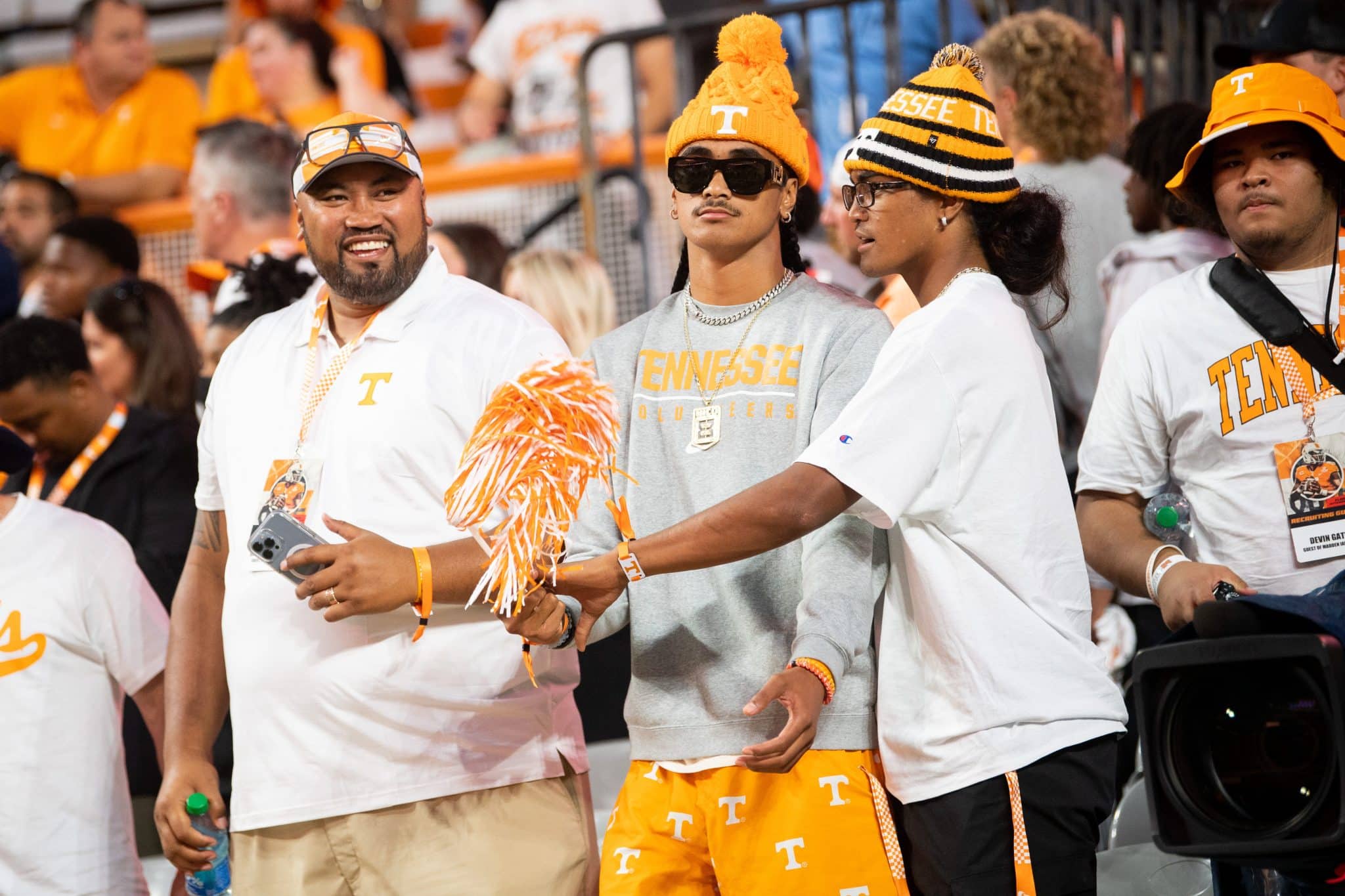
The NCAA contends that if there’s transparency, the ability for 3rd party negotiators to take advantage of players is, at the very least, corralled. If players can look at a portal of NIL deals, and see Tennessee QB Nico Iamaleava received a deal worth X amount over 3 years, and paid 7 percent to an agent, that’s a “guardrail” — the buzzword used from coaches and administrators for the past 2 years.
Without that guardrail, there is no ceiling for deals. There is no specific percentage earned by 3rd party negotiators — something that would quickly arrive once all deals become public.
Remember this: NIL negotiators don’t work under the same state laws and/or league rules as sports agents. Without the transparency guardrail, players earning for the first time are at risk.
“It’s all over the place,” an NFL agent told me Wednesday. “Most legitimate people are anywhere between 5 and 20 percent. I’ve definitely heard a couple of lawyers charge up to 30 percent.”
Those numbers are based on the contracts seen as “marketing” deals. Again, if we’re intellectually honest, this is pure pay-for-play.
While transparency may lower player revenue earned in the short term, it would be beneficial to players in the long term. At some point, Collectives will stop paying when the rate of return doesn’t show.
If there is a set market, successful deals will protect future deals — instead of high-profile unsuccessful deals becoming the squeaky wheel in a private market and driving down revenue.
At one point Wednesday, as the 2 most dysfunctional groups on the planet (Congress and the NCAA) got together in the Capitol, Florida State Rep. Kat Cammack (R) had a Gators helmet in front of her and began her speech by proclaiming, “It’s great to be a Florida Gator.”
Yep, about as you’d expect with Congress.
No need for transparency there.
Matt Hayes is a national college football writer for Saturday Down South. You can hear him daily from 12-3 p.m. on 1010XL in Jacksonville. Follow on Twitter @MattHayesCFB